
Starts at 42 / mo.
- Quarterly termite inspections
- Subterranean termite protection
- Year-round termite defense
- Liquid “no-tent” treatments
- Extended ant control
- Mosquito & Fire Ant Reduction
South Florida Pest Control
When you need termite control in Miami, our team is ready to help protect your home or business with professional inspections, targeted treatment options, and long-term prevention guidance. Miami properties face year-round termite presence because of South Florida’s heat, humidity, mature landscaping, waterfront conditions, and frequent moisture exposure. At Hoffer Pest Solutions, we bring over 50 years of local pest control experience to every inspection, helping property owners understand what is happening, which termite species may be involved, and what steps make the most sense for lasting protection.
We provide termite control for single-family homes, condos, townhomes, apartment communities, restaurants, offices, retail spaces, and other properties throughout Miami and nearby Miami-Dade communities. If you are already dealing with visible termite activity or you want a proactive inspection before damage spreads, our team can coordinate clear next steps through our Miami pest control services. We focus on responsive service, honest communication, and dependable care so you can move forward with confidence.
Because termite activity can look different from one structure to the next, the most effective plan starts with identifying the termite type, the areas affected, and the conditions that may be contributing to the problem.
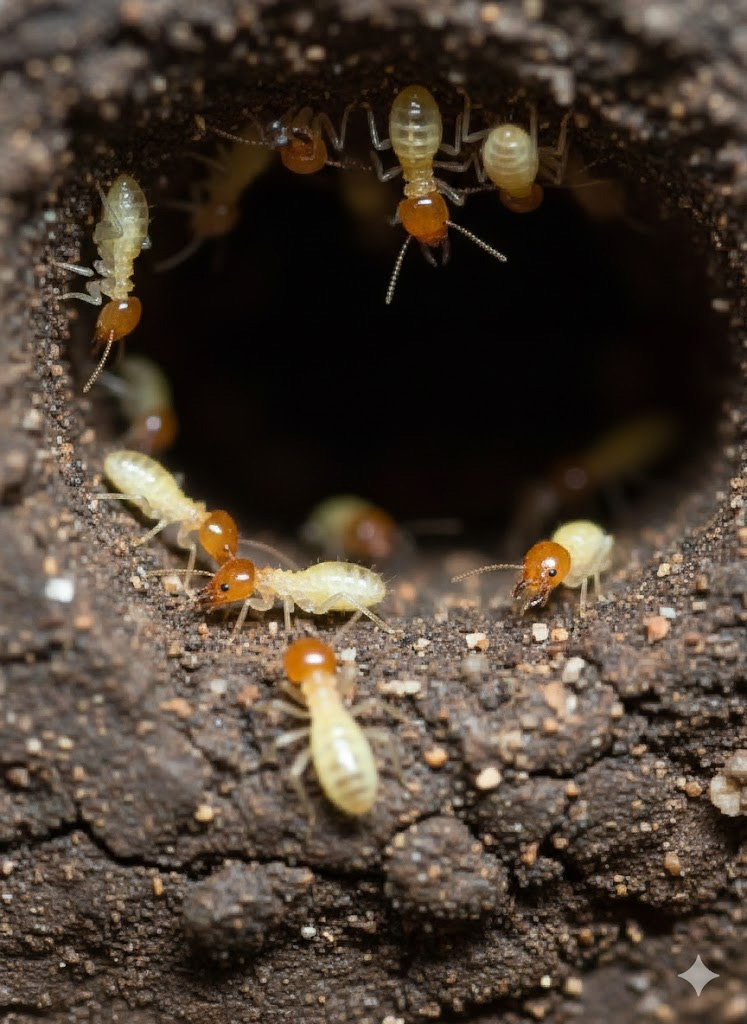
Miami properties can experience both drywood termites and subterranean termites, and each type requires a different treatment strategy. Drywood termites often live inside wood and may leave behind small pellet-like droppings, damaged trim, hollow-sounding wood, or discarded wings near windows and doors. Our drywood termite control services are designed to identify the scope of activity and recommend an appropriate solution based on the structure, the location of the activity, and the level of infestation.
Subterranean termites typically move from soil into a structure, often through hidden access points around foundations, plumbing penetrations, slabs, crawl areas, or moisture-prone zones. Our subterranean termite control approach focuses on inspection, treatment planning, and prevention steps that help reduce future risk. When a broader treatment is needed for drywood termite activity, we can also discuss whether fumigation in Florida may be the right option for the property.
Drywood termites can be especially challenging because they may live within wood members, trim, furniture, attic areas, or other structural features without needing direct soil contact. A professional inspection helps determine whether activity appears localized or more widespread.
Subterranean termites are often connected to soil access and moisture-prone areas. Treatment planning may involve looking at foundation edges, plumbing penetrations, slab conditions, landscaping, and other areas where termites may be able to enter the structure.
Termites can stay hidden for long periods, which is why professional inspection matters. You may need termite control if you notice:
In Miami, termite concerns may be more common in areas with older homes, lush landscaping, high moisture, wood fencing, attached decks, and properties near canals or the bay.
These signs do not always confirm the type or full extent of termite activity, but they are a good reason to schedule an inspection before the issue has more time to spread.
Store-bought sprays or surface treatments rarely solve the full problem because termite colonies and galleries are often located behind walls, inside wood, or below the structure. Our termite inspections are designed to look beyond the visible signs so we can determine what type of termite activity may be present and what treatment plan is appropriate. We also help customers understand conducive conditions around the property, including moisture issues, wood-to-soil contact, damaged fascia, and untreated wood features.
The cost of termite control in Miami depends on the termite species, the size and construction of the property, the severity and location of activity, the treatment method needed, and whether ongoing protection is recommended. A small, localized concern may require a different plan than a widespread drywood termite infestation or subterranean termite activity around a large structure. That is why we begin with an inspection and provide a free pest control quote with clear next steps.
Several factors can affect the total cost, including accessibility, attic or wall void activity, slab conditions, moisture concerns, the need for follow-up service, and whether the property is residential or commercial. We keep the process straightforward by explaining what we find, what we recommend, and how treatment supports long-term protection. Our goal is to help you make an informed decision without pressure or confusion.
During the quote process, our team can explain which findings are urgent, which prevention steps may be recommended, and how the proposed treatment fits the property type and termite concern.
At Hoffer Pest Solutions, we have served South Florida since 1975, and our termite team understands the unique conditions that make Miami properties vulnerable. We combine local experience, professional inspections, reliable service options, and Five Star service standards with a Satisfaction Guarantee. When customers call before noon in our service areas, we also offer same-day service when scheduling allows, because termite concerns deserve prompt attention.
Our team is built around clear communication and dependable follow-through. We explain the difference between termite species, review treatment options in plain language, and help property owners understand prevention steps that may reduce future activity. Our broader pest control experience also allows us to support related concerns through services such as rodent control, cockroach control, and commercial pest control for Miami homes and businesses that need more complete protection.
That combination of termite-specific service and broader pest control support helps property owners address current concerns while planning for conditions that may attract future pest activity.
Our process starts with a professional termite inspection. We look for visible signs of activity, conditions that may support termite presence, and areas where termites may be entering or nesting. From there, we identify whether drywood termites, subterranean termites, or another wood-destroying concern may be involved. We then explain the findings, recommend a treatment strategy, and answer questions before service begins.
After treatment, we help customers understand what to monitor, how to reduce conducive conditions, and when follow-up or ongoing protection may be recommended. Miami properties can face continued termite issues because of the local climate, so long-term prevention is an important part of protecting your investment. Whether you own a home near Coral Way, a condo in Brickell, a business near Downtown Miami, or a property closer to Coconut Grove, our team can help you build a termite control plan that fits your structure and concerns.
We serve Miami and nearby communities throughout Miami-Dade County, including Miami Beach, North Miami, North Miami Beach, Aventura, Hialeah, Miami Gardens, Miami Lakes, Sunny Isles Beach, Surfside, Bal Harbour, Bay Harbor Islands, and North Bay Village. If you are outside the city, our Miami-Dade County pest control team can help you find the right local service option.
This local service area framing helps Miami property owners connect termite concerns with nearby service availability instead of relying on one-size-fits-all pest control guidance.
Don't Let Pests Take Control - We Can Help!
Starts at 42 / mo.

Starts at 66 / mo.

Starts at 124 / mo.
If you are seeing signs of termites or want a professional inspection for peace of mind, contact Hoffer Pest Solutions today. We will help you understand what is happening, recommend the right treatment option, and provide a free quote for termite control in Miami. Schedule pest control service with our South Florida team and get clear guidance for protecting your home, business, or investment property.





Perfect 5-star ratings based on over 2,500 Google Reviews.

I’ve been with them for 24 years and wouldn’t change them for anyone else. They are courteous, knowledgeable and very punctual. And needless to say very effective!
“Before we hired Hoffer, our lawn was diseased and dying. Jim was our service provider (and still is to this day) and completely turned our lawn around.”
Mike was very nice and answered all of our questions. He showed up on time and was very professional. I would definitely recommend this company to friends and family.
Get fast answers to common pest control inquiries here
Early signs are often subtle because these insects usually work behind walls, under flooring, inside wood, or near the foundation. Common clues include:
You may also see swarmers, which are winged adults that appear when a colony is mature enough to spread.
A visible sign does not always show the full extent of activity, and the absence of obvious damage does not rule out a hidden problem. South Florida homes can also have moisture or construction issues that look similar to pest damage, so guessing from one symptom can be misleading. If you notice mud tubes, wings, unexplained wood damage, or recurring swarmers, the next step is a professional inspection before the issue reaches more structural material.
A professional inspection is a careful check of accessible areas where wood-destroying insects commonly enter, nest, or leave signs behind. At Hoffer Pest Control, we examine interior and exterior areas, including foundation edges, attics, crawl spaces when accessible, window and door frames, moisture-prone spots, and visible wood members. We look for mud tubes, swarmers, wings, pellets, damaged wood, and conditions that can make activity more likely, such as wood-to-soil contact or moisture around plumbing.
Not every part of a structure can be seen without opening walls, lifting flooring, or moving built-in materials, so an inspection focuses on observable evidence and risk conditions. That is why experience matters. Our team has served South Florida since 1975, and we understand how local construction styles, humidity, and soil conditions affect activity. After the inspection, we explain what we found, what it may mean, and which next steps fit the situation.
The right option depends on the species involved, where the colony is located, and how widespread the activity appears to be. For termite control in Miami, common options include bait systems for subterranean species, liquid no-tent applications, localized spot work, and structural fumigation for extensive drywood infestations. Bait stations, such as the Sentricon Termite Colony Elimination System, are placed around the exterior to target colonies that travel through soil. Liquid applications can create treated zones around or beneath a structure, depending on construction and access. Spot treatments may work when activity is limited to a clearly defined area. Fumigation is usually considered when insects are spread through hard-to-reach parts of the structure.
No single method is best for every property. Some problems are localized, while others require a broader approach. We recommend the method only after confirming the type of activity and the areas affected.
Timing varies based on the method used, the size of the structure, the species involved, and how much access is available. Some localized applications can be completed in a shorter service visit, while baiting systems work over time as foraging insects find the bait and share it through the colony. Liquid applications may begin affecting activity soon after contact, but hidden areas can take longer to show a clear change. Fumigation, when needed, has a different timeline because it requires preparation and a structured service process.
It is important not to judge results only by what you see right away. Swarmers, wings, or small signs may appear for a period even after service, depending on where the colony was active and how the method works. We set expectations during the recommendation stage so you know what is normal, what should improve, and when a new sign deserves attention.
Products and methods used for wood-destroying insect control are selected and applied according to label directions, site conditions, and the type of service being performed. Before any application, we explain preparation steps that may apply, such as keeping people and pets away from specific areas during service or allowing treated zones to dry before normal use. Bait systems are contained in stations placed in the soil, while liquid applications and fumigation have different safety protocols. Landscaping is also considered during exterior work, although plants, irrigation, grading, and soil conditions can affect placement and access.
No treatment should be described as risk-free in every circumstance, especially if label instructions are ignored or a property has unusual conditions. The safest approach is to follow the preparation and reentry instructions given for the specific method. If you have concerns about children, pets, gardens, or sensitive areas, tell us before service so we can discuss the appropriate precautions.
Many infestations can be addressed without tenting, but it depends on where the insects are living and how far the activity has spread. Subterranean species are often treated with bait stations, liquid applications, or a combination of methods around the structure. Some drywood problems may qualify for localized service when the affected area is small and accessible. Tenting and fumigation are usually considered when drywood colonies are widespread or located in places that spot work cannot reliably reach, such as hidden voids, rafters, or multiple structural areas. The main tradeoff is disruption versus reach. No-tent options are less disruptive, but these treatments must match the actual problem.
Fumigation requires more preparation, yet it can address activity throughout the structure when access is limited. We do not assume one approach before inspection. The recommendation is based on evidence, species identification, and whether a targeted option can reasonably address the areas involved.
In South Florida, routine inspections are especially important because warm weather and humidity allow wood-destroying insects to remain active for much of the year. Many homeowners choose an annual inspection as a practical baseline, especially if the property has a crawl space, wood framing close to soil, prior activity, older additions, moisture issues, or heavy landscaping near the structure. A home with recent swarmers, mud tubes, or unexplained wood damage should be inspected sooner rather than waiting for a calendar date.
Inspection frequency can also depend on the protection system in place. For example, Sentricon is described as a 24/7 monitoring and continuous protection system when installed and maintained as part of the service. Our Miami pest control team can help you decide what schedule makes sense based on your property conditions, not a one-size-fits-all rule. If you are unsure when the last inspection occurred, scheduling one is a sensible starting point.
You should contact us as soon as you see signs such as mud tubes, swarmers, discarded wings, hollow wood, blistering paint, pellet-like droppings, or unexplained damage near trim, flooring, attic wood, or window frames. It is also worth reaching out before buying or selling a property, after discovering moisture problems, or if neighboring homes have reported activity. Waiting for obvious structural damage can make the situation harder to evaluate because colonies often remain hidden while feeding.
At Hoffer Pest Control, we provide professional inspections, free pest control quotes, and same-day service in our service areas when customers call before noon. We have served South Florida for over 50 years, so we understand how quickly conditions can become favorable for these pests. If you are unsure whether what you found is related, take a clear photo if possible and avoid disturbing the area. Then contact us so we can inspect it and explain the next step.