
Starts at 42 / mo.
- Quarterly termite inspections
- Subterranean termite protection
- Year-round termite defense
- Liquid “no-tent” treatments
- Extended ant control
- Mosquito & Fire Ant Reduction
South Florida Pest Control
In South Florida’s warm, humid climate, termites can stay active year-round and often go unnoticed until damage is already underway. At Hoffer Pest Solutions, we provide termite control in Pembroke Pines tailored to local conditions, helping protect your home from costly structural damage.
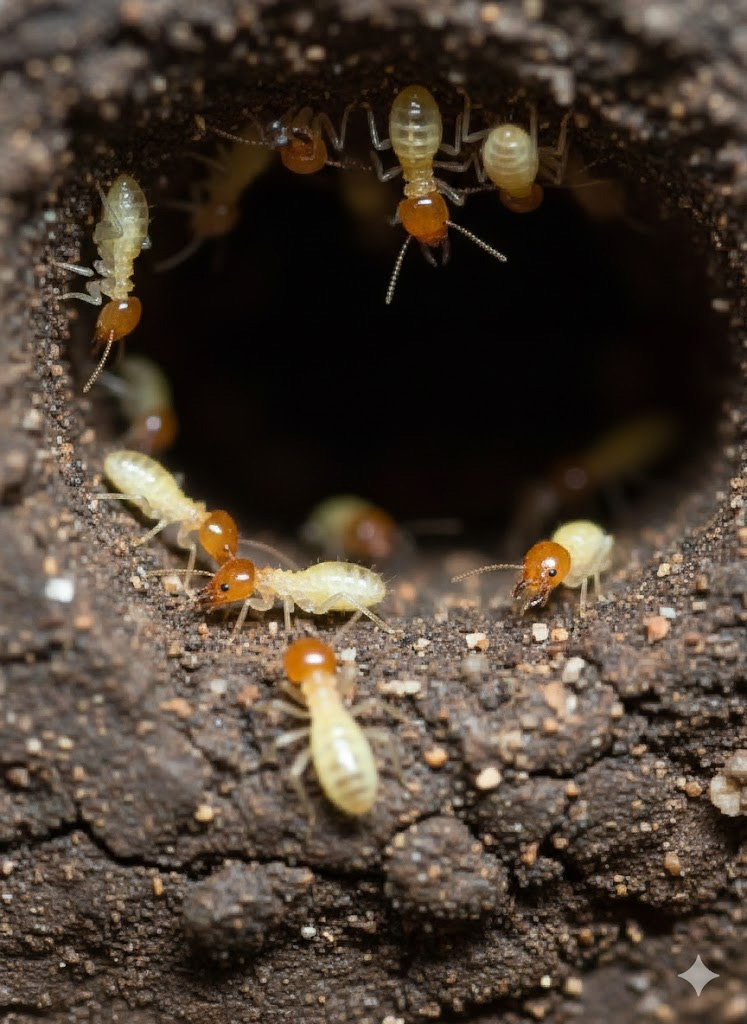
In South Florida, termite activity is not just a possibility. It is an ongoing risk for homeowners. A professional termite inspection helps identify whether you are dealing with drywood termites, subterranean termites, or signs of a past infestation. DIY products may offer temporary relief, but they rarely address the full colony or the source of the problem. Professional pest control for termites gives you a more accurate diagnosis, a more effective treatment plan, and better long-term protection.
Effective termite control starts with a detailed termite inspection that looks for visible damage, hidden activity, and conditions that attract termites. Because termites often remain hidden behind walls, inside wood, or below the soil line, early detection can make a major difference.
During your termite inspection, our team looks for warning signs such as:
No two termite infestations are exactly alike, which is why the right termite treatment depends on the species involved, the location of activity, and how far the infestation has spread.
No-tent termite treatment can be a strong option for localized drywood termite activity. This method targets specific galleries inside wood or wall voids without requiring you to leave your home. It is often a practical solution for newer infestations or activity limited to furniture, trim, cabinetry, or accessible structural areas.
When drywood termite activity is widespread or hidden in multiple inaccessible areas, structural fumigation may be the most effective option. This treatment allows the fumigant to reach deep into the structure and eliminate termites throughout the home. For severe drywood infestations, fumigation can offer the most complete level of termite extermination.
Subterranean termites require a different approach because they live in the soil and travel into a structure from below. Treatment may involve liquid barriers, baiting systems, or a combination of both to help block access points and eliminate colony activity. The right solution depends on your home’s construction, the severity of the infestation, and your long-term protection goals.
Choosing the right company for termite treatment matters. Hoffer has served South Florida homeowners since 1975, and our team understands the termite pressures that local homes face. We focus on clear communication, thorough inspections, and treatment recommendations based on your specific situation, not a one-size-fits-all approach.
Our goal is not just to treat active termites, but to help homeowners feel more confident about the condition of their property and the steps needed to protect it. We also provide Broward County pest control services for homeowners throughout the surrounding area.
Florida’s mild climate allows termites to remain active throughout the year, which means waiting for visible damage can be a costly mistake. Routine termite inspections can help catch activity early, before colonies have time to expand and cause more extensive damage. Preventative termite treatment and ongoing monitoring can reduce the risk of serious structural issues and give you better long-term peace of mind.
Don't Let Pests Take Control - We Can Help!
Starts at 42 / mo.

Starts at 66 / mo.
Starts at 124 / mo.
Whether you need a termite inspection for peace of mind or a treatment plan for active termites, our team is ready to help. If you are dealing with more than termites, explore our Pembroke Pines pest control services for broader home protection.
Contact Hoffer Pest Solutions today to schedule your termite inspection and get a customized recommendation for your home. You can also view all of the areas we service in South Florida to see where Hoffer provides termite and pest protection.





Perfect 5-star ratings based on over 2,500 Google Reviews.

I’ve been with them for 24 years and wouldn’t change them for anyone else. They are courteous, knowledgeable and very punctual. And needless to say very effective!
“Before we hired Hoffer, our lawn was diseased and dying. Jim was our service provider (and still is to this day) and completely turned our lawn around.”
Mike was very nice and answered all of our questions. He showed up on time and was very professional. I would definitely recommend this company to friends and family.
Get fast answers to common pest control inquiries here
The most effective termite control method depends on the termite species, the severity of the infestation, and where the activity is located. Subterranean termites often require barrier or bait-based treatments, while drywood termites may be treated with localized applications or fumigation depending on how widespread the activity is.
Yes, professional termite treatment can be performed safely around families and pets when applied according to product directions and treatment protocols. The treatment method, product type, and affected area all influence the guidance you will receive before and after service.
We offer several termite treatment options, including localized drywood termite treatments, structural fumigation, and treatments for subterranean termites. The best option depends on the type of termite, the extent of the infestation, and the construction of your home.
Termite control pricing depends on your home’s size, the type of termite involved, and the treatment needed. After a professional inspection, you can get a clearer recommendation and a quote based on the scope of the problem and the protection your home needs.
In South Florida, the best time to schedule termite treatment is as soon as termite activity is suspected or preventative protection is needed. Because termites remain active throughout the year, early action is one of the best ways to reduce the risk of more serious structural damage.
Common warning signs include:
Subterranean termites commonly create mud tubes as pathways between the soil and a building, while drywood termites may leave small piles of fecal pellets beneath areas they have infested. Swarmers can also appear indoors, especially around doors, windows, and lights, which may point to an active colony nearby.
Some termite activity is difficult to see because it can stay hidden behind walls, under flooring, inside trim, or below the soil line. A home may have activity even if there are no obvious insects crawling around. Moisture problems, cracks, and direct soil contact can also increase risk, but those conditions alone do not confirm an infestation.
If you notice pellets, wings, tubes, blistered surfaces, or unexplained damage, avoid disturbing the area if possible. Taking photos and scheduling a professional termite inspection are the safest next steps.
There is no household scent that we would consider a dependable termite control method. Some plant-based oils and strong smells are often discussed as possible repellents, including orange oil, cedar, or neem, but a scent alone does not address where termites are living, how far the colony has spread, or whether a colony remains active. Even if insects avoid a treated surface for a short time, termites may continue feeding in nearby hidden areas.
This is especially important because different termite species behave differently. Drywood termites can live inside infested material without soil contact, while subterranean termites move from the ground into a structure through protected pathways. A surface-level odor cannot confirm which type is present or reach every concealed gallery.
If your goal is prevention, reducing moisture, sealing openings, and scheduling inspections are more reliable than relying on smells. If you already see signs of termites, a professional evaluation is the right way to choose a treatment that matches the species and location of activity.
A termite inspection starts with a close look at accessible areas where activity is likely to appear, including foundations, walls, trim, attic spaces when accessible, moisture-prone areas, and places where wood meets the structure. We look for mud tubes, pellets, discarded wings, hollow-sounding sections, damage patterns, and conditions that may make the home more vulnerable. The goal is to determine whether the signs point to drywood termites, subterranean termites, past activity, or another issue.
After the evaluation, the recommended approach depends on what is found. Localized drywood activity may be addressed with no-tent applications when the infestation is limited and reachable. Widespread drywood activity may call for structural fumigation. Subterranean termites are usually handled with liquid barriers, baiting systems, or a combination based on the construction and colony size.
With Termite Control in Pembroke Pines, FL, we focus on matching the method to the termite species and the extent of activity, rather than treating every home the same way.
The timeline depends on the termite species, the treatment method, the size of the structure, and how much activity is present. A localized drywood treatment may be completed in a shorter service visit when activity is accessible and limited. Subterranean termite work can take longer because it may involve treating soil areas, installing bait stations, or addressing multiple entry points. Structural fumigation for widespread drywood termites usually requires more preparation and coordination than a spot application.
It is also important to separate termite treatment from remediation. Treatment targets active termite activity and helps reduce ongoing risk. Remediation may include repairing damaged materials, correcting moisture issues, or replacing affected structural components, and that work may involve other qualified professionals depending on the situation.
During the inspection, we explain what the service is intended to address and what preparation may be needed. If you need help planning around scheduling, pets, or access to certain areas, Hoffer Pest Control can walk you through the expected timing before work begins.
You should call a professional as soon as you see signs such as:
It is also wise to schedule an inspection before visible damage appears if the property has a history of activity, moisture issues, or gaps where termites may enter.
Waiting can make the problem harder to define because termites often remain hidden while feeding. Store-bought sprays may contact a few visible insects, but usually do not reveal the full extent of activity or reach the source. In some cases, disturbing tubes or galleries before an inspection can make it harder to understand travel patterns.
Pembroke Pines termite control is most effective when the species and location are identified early. If you suspect active termites or want a preventive evaluation, contact us for an inspection and a clear recommendation based on what is actually happening in the home.
Professional termite treatments can be performed with safety in mind when products are used according to label directions and established service protocols. The specific guidance depends on the method being used. A localized drywood application, a subterranean barrier treatment, a baiting system, and structural fumigation all have different preparation steps and reentry instructions.
Families should follow the instructions provided before service, especially regarding access to treated areas, pet bowls, toys, aquariums, and food storage. For some methods, children and pets may simply need to stay away from the work area during service. For fumigation, preparation and temporary vacancy requirements are more involved, and those directions must be followed carefully.
We do not treat safety as a one-size-fits-all issue because the product, location, and structure all matter. Before any termite service, we explain what applies to your home, what you should move or protect, and when normal use of the treated areas can resume.
Termite protection options can vary based on the type of termite, the service selected, and the condition of the structure. For this service area, our termite information includes quarterly termite inspections, subterranean termite protection, year-round termite defense, preventive service options, and ongoing monitoring as part of long-term protection discussions. Specific warranty or termite bond terms should be reviewed directly with our team before service, since those details can depend on the treatment and property.
It is important not to assume that every termite service includes the same coverage. Drywood termite treatments, subterranean programs, and fumigation-related service agreements may have different requirements, exclusions, or renewal conditions. Home construction, prior damage, moisture concerns, and accessibility can also affect what type of protection is appropriate.
If a warranty, termite bond, or monitoring option is important to you, ask us to explain the available choices in writing. Hoffer Pest Control can help clarify what is included, what is not, and what fits your home’s termite risk.
In South Florida, yearly termite inspections are a smart baseline for many homes because termite activity can occur throughout the year. Some properties may need more frequent checks, especially if there has been prior termite activity, nearby infestations, moisture problems, crawl space concerns, or construction features that make hidden entry easier. The service information for this area also references quarterly termite inspections within certain protection options, which may be appropriate for homeowners who want closer oversight.
Inspection frequency is not only about finding insects. It is also about noticing conditions that increase risk, such as damp areas, cracks, damaged exterior materials, or direct soil contact. Catching those issues early can help reduce the chance of more extensive damage later.
If you have never had an inspection, recently purchased a home, or found wings, pellets, or mud tubes, do not wait to schedule an annual inspection. A current evaluation from Hoffer Pest Control can help you understand whether activity is present and what level of protection makes sense.