- Seal entry points thoroughly:
Use caulk to close cracks and gaps around doors, windows, pipes, and cables so ants have far fewer opportunities to sneak into your home. This simple step greatly reduces the number of entryways available to them.
Effective Ant Control Services in South Florida
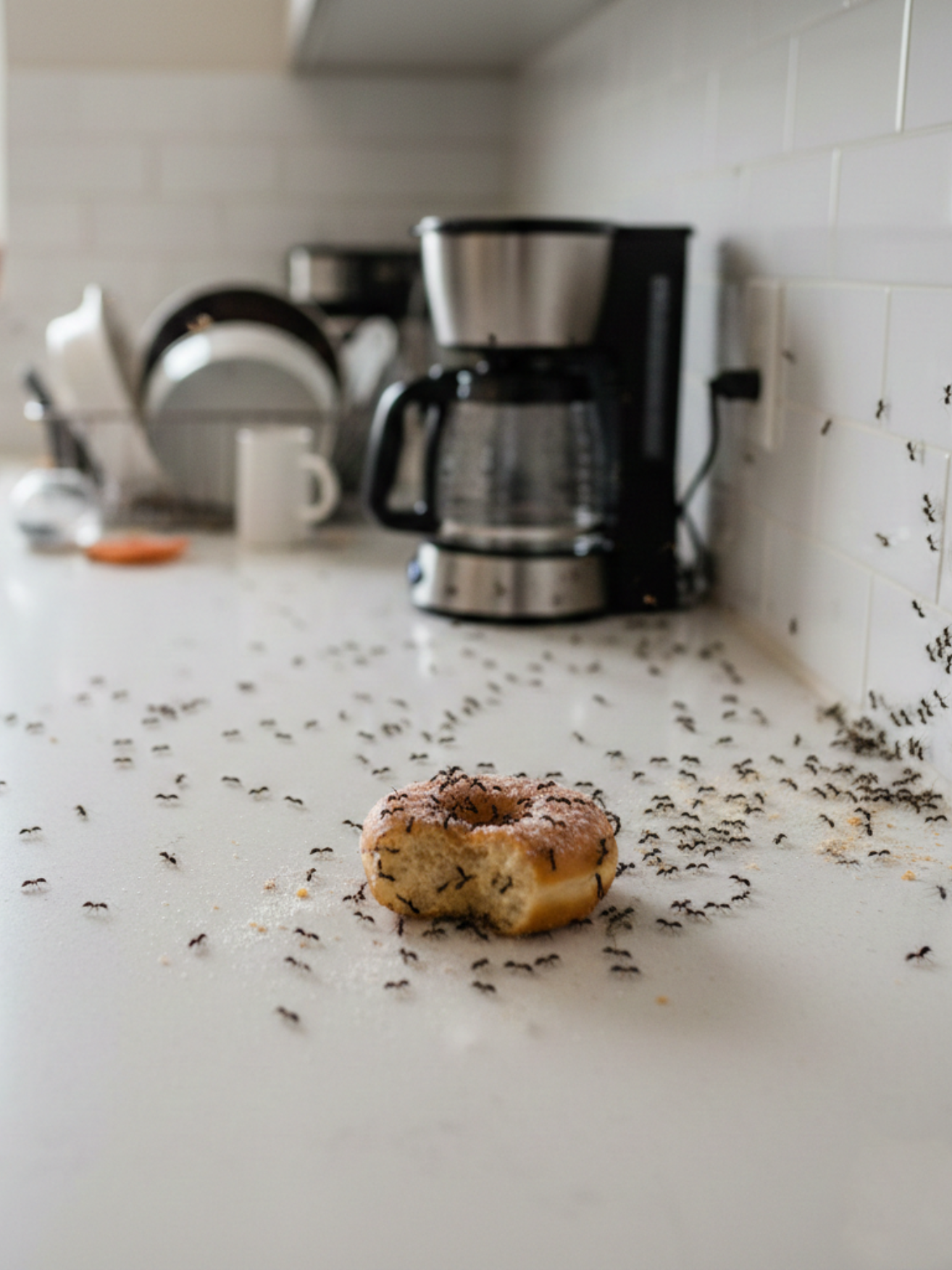
When ant infestations grow unchecked, they can quickly become a serious concern. Ants are persistent pests that enter homes and businesses in search of food, making ant control essential for property owners. Common signs of infestation include trails along the walls, near windowsills, or other surfaces. Ant nests in walls or near food sources can also indicate the need for ant control services. When you notice these issues, it’s best to contact a pest control provider, such as Hoffer Pest Solutions, before the problem worsens. Our team has the training and resources needed to resolve any problems quickly and efficiently.
South Florida homes face increased risk from invasive ants during the rainy season, as excess moisture encourages nesting in and around residential buildings. By using methods refined for the local community, we defend properties from recurring invasions. Our knowledge of regional trends means you get treatments that account for seasonal shifts in ant activity.
- Targeted treatments based on ant species and nesting behavior
- Solutions tailored for South Florida’s climate and seasonal ant activity
- Preventive strategies to stop recurring infestations and protect your home
With safe, effective treatments and ongoing monitoring, we keep your home protected from ants year-round.
How Hoffer Ant Control Solutions Work
- Detailed Initial Inspection
When you request service, we begin with a thorough inspection of your home. Our skilled technicians carefully check for signs of pest activity and potential entry points. If pests are suspected, we’ll investigate fully to identify the issue and any related damage.
- Complete Exterior Treatment
We focus first on keeping pests out. During your initial visit, we apply a full exterior treatment around your home’s perimeter and remove cobwebs to block pests before they get inside. This preventative step establishes a strong barrier of protection.
- Targeted Interior Treatments
If our inspection reveals activity indoors, our team applies precise, targeted treatments inside your home. This focused approach quickly resolves infestations and restores your comfort and safety.
- Scheduled Maintenance Visits
To ensure lasting protection, Hoffer provides three routine service visits each year. These visits reinforce your home’s exterior defenses, remove cobwebs, apply interior treatments when needed, and address any new pest concerns promptly.
- Predictable Monthly Billing
We keep things simple with clear fixed rate monthly billing. You will always know what to expect with no hidden costs or surprise fees. It is straightforward pricing that makes budgeting easier and more predictable.
- Ongoing Support & Guidance
Our service doesn’t stop at treatments. Hoffer’s team is always available to answer questions, give preventive advice, and address any concerns between visits. We’re here to ensure you have continuous protection and complete peace of mind.
Get Started with Hoffer Pest Solutions Today
Request Free Quote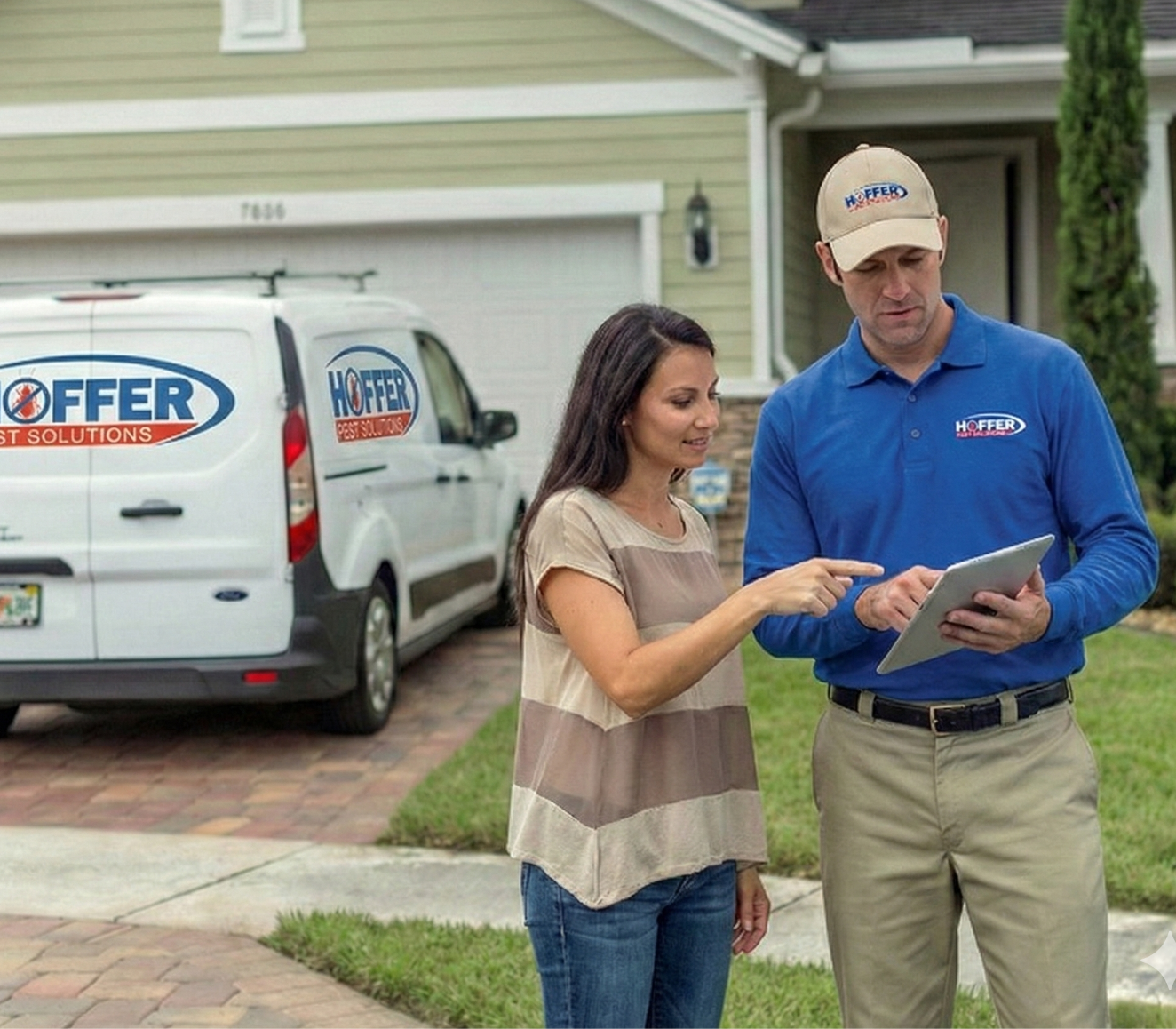
Ant Control Professionals in Fort Lauderdale
Most ants are highly attracted to both food and water, so they are commonly found foraging in the kitchen or searching for standing water in the bathroom. Limiting excess food and water around the home helps control minor ant invasions, but larger infestations often require professional support. If you’re tired of battling ants yourself, it’s time to call in trusted help. With over 40 years of experience treating ants in Fort Lauderdale, Miami, and the surrounding areas, we possess the knowledge and expertise necessary to resolve your ant infestation effectively.
Fort Lauderdale’s warm, humid weather means ant activity can remain high into the fall months, making pest management a year-round concern in many neighborhoods. Our team understands how quickly ant populations can grow here, especially after summer rainfall or during periods of high humidity. We adapt our approach to address these pressure points, so you benefit from treatments that take into account the unique local conditions.
Types of Ants We Treat
Identifying the ant species is the key to choosing the right treatment. Different ants behave differently—some nest outdoors, some build colonies in walls, and others travel long distances for food.
Here are the most common ant types we handle:
- Carpenter Ants
Carpenter ants are large, usually black or dark brown, and often found near moisture-damaged wood. They don’t eat wood but carve galleries through it, which can weaken structural elements of your home. Signs include sawdust-like frass, rustling noises in walls, and large winged ants appearing indoors.
- Ghost Ants
Ghost ants are extremely tiny, with pale legs and abdomen and a dark head, making them difficult to see. They’re fast-moving and commonly invade kitchens and bathrooms in long trails. They prefer sugary foods and often nest in wall voids, potted plants, and around moisture sources.
- Odorous House Ants
Known for the rotten coconut smell they release when crushed, odorous house ants are common indoor invaders. They trail to food sources—especially sweets—and move their nests frequently, making them hard to control without proper baiting strategies.
- Fire Ants
Fire ants are small, reddish-brown ants known for aggressive behavior and painful stings. They build dome-shaped mounds outdoors and can quickly spread across yards. Disturbing a mound often triggers a rapid swarm. Their stings can cause allergic reactions, and pose risks to kids and pets.
- White-Footed Ants
White-footed ants are small, dark ants with distinctive pale-colored legs. These ants prefer moisture-rich areas such as kitchens, bathrooms, and exterior walls. While they don’t bite or damage structures, their sheer numbers can create significant nuisance indoors.
- Pharaoh Ants
Pharaoh ants are tiny yellowish ants that prefer warm, humid areas. They’re notorious for splitting their colony when threatened, which is why repellent sprays make infestations worse—specialized baits are required for proper control.
Get Your Free Pest Inspection Today!
Request Free Quote6Simple Tips to Keep Ants Out

- Apply pantry staples as barriers:
Create lines of flour, talc, chalk, or used coffee grounds at doors, windows, and baseboards, or sprinkle spices such as cinnamon, cloves, bay leaves, or chili powder to repel ants before they get inside.

- Trim back surrounding vegetation:
Keep trees, shrubs, and bushes well away from your house to prevent branches from acting as “bridges” for ants and other pests. This also improves airflow and makes it easier to spot potential problem areas.

- Maintain a spotless kitchen environment:
Store food in tightly sealed containers, wipe up crumbs and spills immediately, scrape and wash dishes promptly, and empty trash frequently so ants can’t find an easy food source.
- Use natural deterrents at entryways:
Spray citrus juice or peppermint oil around windows, doors, and other openings to disrupt ants’ scent trails and make it harder for them to navigate into your living space.

- Remove water sources to discourage ants:
Repair dripping faucets, eliminate standing water around sinks or appliances, and ensure drains are clear and dry so ants have no reason to seek moisture inside your home.





What Our Clients Say About Us
Perfect 5-star ratings based on over 2,500 Google Reviews.
Rita B

Very Effective!
I’ve been with them for 24 years and wouldn’t change them for anyone else. They are courteous, knowledgeable and very punctual. And needless to say very effective!
Alison N.
Completely Turned Our Lawn Around
“Before we hired Hoffer, our lawn was diseased and dying. Jim was our service provider (and still is to this day) and completely turned our lawn around.”
Lauren R.
Definitely Recommend
Mike was very nice and answered all of our questions. He showed up on time and was very professional. I would definitely recommend this company to friends and family.
Ant Control FAQs in Fort Lauderdale
Get fast answers to common pest control inquiries here
What are the common signs of an ant infestation in my home?
Common signs of an ant infestation include seeing trails of ants along walls, near windowsills, or other surfaces. You might also notice ant nests within walls or near food sources. If you observe these signs, it’s crucial to address the issue promptly to prevent the infestation from growing.
How does Hoffer Pest Solutions approach ant removal in South Florida?
Hoffer Pest Solutions conducts a thorough inspection of your home to locate ant nests and entry points. Based on the inspection, a specific treatment plan is created. Our professionals then work to destroy all ant nests in and around your home and provide regular visits to ensure ants are kept at bay.
What types of ants are commonly found in Florida homes?
Florida homes commonly deal with ants such as ghost ants, bigheaded ants, fire ants, and carpenter ants. Warm temperatures and high humidity allow many ant species to remain active year-round, increasing the likelihood of indoor infestations.
What attracts ants into homes in warm, humid climates?
Ants are attracted to food, moisture, and shelter. In warm regions, even small crumbs, sugary spills, pet food, or excess moisture can draw ants indoors. Once a food source is found, ants leave scent trails that quickly lead others inside.
How can I tell what type of ant I have?
Different ant species vary in size, color, and behavior. Some ants are tiny and pale, while others are larger and darker. Where ants are found—such as kitchens, bathrooms, or along baseboards—can also help identify the species, which is important for effective treatment.
Are ants dangerous to people or property?
Some ants can contaminate food and surfaces, while others may bite or sting. Certain species can also damage structures by nesting in walls or wooden materials. In areas where ants are active year-round, infestations can grow quickly if left untreated.
Why do ants keep coming back even after I clean?
Cleaning helps, but it does not always eliminate ants. In warm climates, ant colonies often nest outdoors near foundations and continuously forage inside. If scent trails or nests are not fully addressed, ants may return despite regular cleaning.
Where do ants usually nest around homes?
Ants often nest outdoors in soil, mulch, under landscaping, or near foundations. Some species may nest inside walls or voids when moisture is present. The mild climate in Florida allows nests to remain active close to structures throughout the year.
Do ants come inside more during certain times of the year?
While ants are active year-round in warm regions, activity often increases during rainy or especially hot periods. Changes in weather can push ants indoors as they search for stable food and moisture sources.
Why is professional ant control more effective than DIY treatments?
Different ant species require different treatment methods. Professional ant control targets the colony and nesting areas rather than just visible ants. This approach is especially important in climates where ants reproduce and spread quickly.