Pest Control Built for North Miami Beach
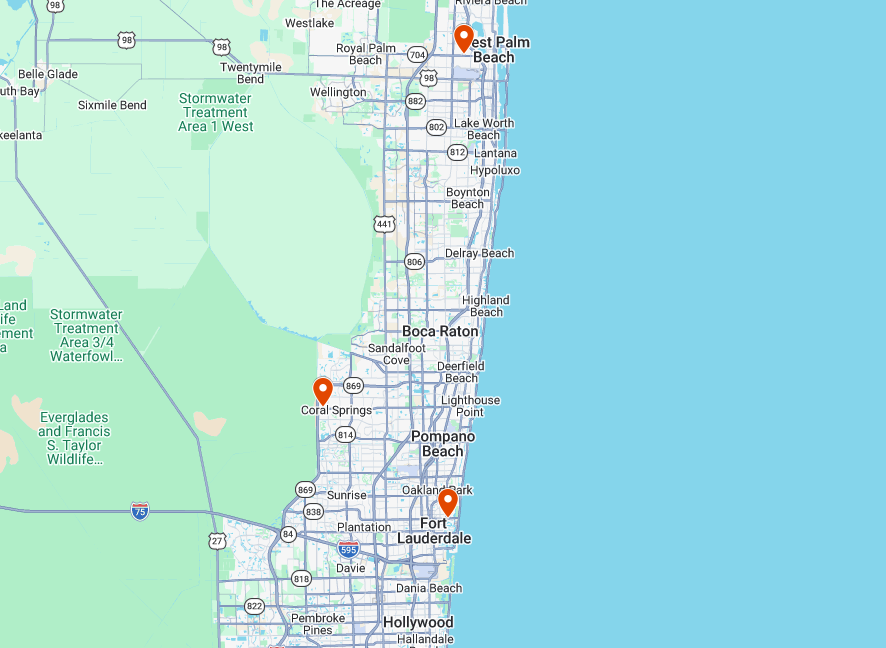
Despite the name, North Miami Beach isn’t a beach town. It’s an inland canal-grid suburb on the west side of the Intracoastal, threaded by Snake Creek Canal and edged by the Oleta River and Greynolds Park. That geography — combined with a housing stock built mostly between the 1950s and 70s — gives this corner of Miami-Dade a pest profile that’s both heavier and more varied than the newer cities to the north like Aventura or the high-rises across the water in Miami Beach. Drywood and subterranean termites have decades of access to slab homes in Keystone Point and Arch Creek. Mosquitoes breed in the drainage canals behind Eastern Shores and Highland Lakes year-round. Roof rats move through mature canopy and along the 163rd Street commercial corridor into the residential blocks just off it. Cockroaches travel between connected units in the older mid-rise condos. None of that goes dormant in winter — South Florida’s tropical climate keeps every pest active through the calendar. Hoffer Pest Solutions has been working these exact neighborhoods for more than 50 years, with Associate Certified Entomologist (ACE) oversight on every plan and same-day service available when you call early enough in the day. Call 954-945-8035 or request a free inspection, and we’ll do a real walk of your slab line, soffits, and lanai — not a five-minute drive-by.
Why North Miami Beach Homeowners Choose Hoffer
North Miami Beach sits at the intersection of three pest-pressure patterns most homeowners don’t realize are converging at once: canal-grid drainage that breeds mosquitoes year-round, a housing stock old enough to predate modern termite treatments, and a dense commercial corridor (163rd Street) that feeds rodent and cockroach pressure into the residential blocks behind it. We’ve worked these neighborhoods for more than 50 years, and the companies that show up without understanding that mix don’t stay long. The ones that do — the ones homeowners in Eastern Shores and Keystone Point call back year after year — are the ones who know the difference between a barrier-island mosquito job and an inland canal job, who walk the slab line and soffit returns before quoting a termite treatment, and who coordinate with HOAs and property managers when the problem is traveling between units.
A few things that come standard
- 50+ years of pest control in Palm Beach, Broward, and Miami-Dade counties.
- ACE-credentialed leadership — Associate Certified Entomologist on staff and reviewing the work.
- Same-day service available when you call early enough in the day; we’ll always tell you straight whether we can fit you in today or first thing tomorrow.
- Free inspection before you commit to anything — including a real walk of the slab line, soffits, and lanai, not a five-minute drive-by.
- Satisfaction guarantee between visits. If something comes back, so do we.
- 4,000+ five-star reviews across South Florida.
- Family- and pet-safe treatments — targeted to entry points and pressure zones, applied with the kids, the dogs, and the grandkids in mind.
Termite Control in North Miami Beach
Few cities in Miami-Dade carry as much structural termite exposure as this one. The 1950s slab-on-grade homes in Keystone Point, the 1960s–70s mid-rise condos in Eastern Shores, and the older single-family blocks in Highland Lakes and Arch Creek all predate the modern pre-construction termite treatments that newer South Florida construction takes for granted. That matters because Miami-Dade has both major termite categories pressing on these homes at the same time. Drywood termites find their way into attic rafters, fascia, door frames, and any exposed cypress or pine, and they often go years without surfacing visible damage. Subterranean termites — including the native Eastern subterranean (Reticulitermes flavipes) and the invasive Asian subterranean (Coptotermes gestroi), which is well-established across Miami-Dade — travel through soil and into slab expansion joints, plumbing penetrations, and the bottom plates of exterior walls. If you’re not sure which termite species you’re dealing with, understanding the difference between drywood and subterranean termites helps explain why the treatment approach has to match the biology.
For drywood activity that’s still contained, our lead options are spot treatments and no-tent treatment; for widespread drywood infestations, full structural fumigation (tent) is also available. For subterranean activity we install termiticide soil barriers around the foundation. If you’ve found wings on a windowsill, mud tubes against the slab, or frass piles in an attic corner, read more about our termite control services or call 954-945-8035 and we’ll schedule an inspection.
Mosquito Control in North Miami Beach
North Miami Beach is one of the worst inland mosquito zones in Miami-Dade, and the reason is simple: water that doesn’t move. Snake Creek Canal, the smaller drainage canals threading Highland Lakes and Arch Creek, the finger canals behind Eastern Shores, and the mangrove edge of the Oleta River all hold standing water through the calendar. Unlike the barrier islands to the east, there’s no consistent ocean breeze pushing mosquito populations out — the city sits in a low, humid pocket west of the Intracoastal. The result is that even homes a half-mile from the nearest visible water deal with year-round biting pressure, and outdoor patios, lanais, and dock spaces can be effectively unusable in the wet season without a real treatment plan. If you’ve been told mosquito season in Florida runs April through October, here’s why mosquitoes are a year-round problem in South Florida — and why canal-grid cities like North Miami Beach see the heaviest sustained pressure.
Citronella candles and DIY foggers don’t reach the breeding sites behind your fence line, in your gutters, or in the bromeliads holding water in your landscaping. Our mosquito control treats adult populations and the breeding sites that feed them, on a recurring cycle, and it’s applied with the family and pets in mind. Learn about our mosquito control program or call 954-945-8035.
Rodent Control in North Miami Beach
Rodent pressure in North Miami Beach comes from two directions: the canal-and-canopy corridors, and the commercial spine along 163rd Street. Roof rats move along utility lines, soffits, and mature tree canopy through the older residential streets in Arch Creek and Highland Lakes, and they push into attics through soffit gaps, dryer vents, and old roof penetrations. Norway rats burrow along drainage canals and behind the restaurants, groceries, and retail of the 163rd Street corridor, then radiate into the adjacent residential blocks looking for food and harborage. None of that gets fixed by trap-and-toss. The fix is exclusion — sealing the actual entry points on the roofline, soffit returns, garage door corners, and slab penetrations — combined with population knockdown. For a deeper look at effective rat control strategies — including why exclusion outperforms trapping alone — this guide walks through the full approach we use in canal-adjacent and commercial-corridor neighborhoods.
Our techs do a full roof and exterior walk, identify and seal the openings (not all “rodent holes” are actually being used), set monitored stations, and come back to verify. Homes alongside Miami’s older neighborhoods to the south deal with the same pattern. Read more about our rodent control program or call 954-945-8035.
Cockroach Control in North Miami Beach
The cockroach problem in North Miami Beach is shaped by two things most homeowners don’t realize are connected: older multifamily buildings, and a dense commercial food corridor. German cockroaches thrive in connected mid-rise condos because they travel between units through shared plumbing chases, electrical wall penetrations, and trash room walls — the kind of construction common in 1960s–70s buildings in Eastern Shores and along the older condo blocks throughout the city. Treating one unit and ignoring the rest of the stack is why so many residents end up calling three different companies before the problem actually stops. American and Australian cockroaches (“palmetto bugs”) press in from the outside — they breed in landscape mulch, irrigation valve boxes, storm drains, and the trash and recycling staging behind 163rd Street’s restaurants, groceries, and retail, then move through sewer lines and slab penetrations into nearby homes. Our approach is integrated: interior gel baits and targeted residual treatment, exterior perimeter and harborage work, and HOA-friendly coordination for multifamily buildings so the whole structure gets addressed at once. Learn more about our cockroach control services or call 954-945-8035.
Ant Control in North Miami Beach
Ants in this part of Miami-Dade aren’t a single problem — they’re four or five problems wearing the same uniform. Ghost ants and white-footed ants push indoors from landscaping and irrigated planter beds, trailing across kitchen counters and bathroom tile in homes throughout Highland Lakes and Keystone Point. Carpenter ants show up in the older wood-framed elements of mid-century homes near canals and wetter soils, where moisture has softened structural wood. Fire ants build mounds in lawns, swale strips, and the open turf around schools, parks, and the Greynolds Park edge — a real concern for families with small kids or pets in the yard. Crazy ants and big-headed ants round out the local picture, each with different baiting needs. DIY sprays usually knock back the foragers and miss the colony, which is why infestations come back two weeks later. Our ant control identifies the species first and then matches the treatment — bait formulation, perimeter residual, and entry-point sealing — to that species. Read more about our ant control services or call 954-945-8035.
Our North Miami Beach Service Guarantee
Every treatment we do in North Miami Beach is backed by the same promise: if a pest we treated comes back between scheduled visits, we come back too — at no extra charge — and we keep coming until it’s handled. Our standard recommendation for most North Miami Beach homes is quarterly preventative service, with a monthly mosquito add-on for homes near Snake Creek Canal, the Oleta River, or the finger canals behind Eastern Shores and Keystone Point. Owner-occupied or rental, single-family or mid-rise condo, canal-front or inland — the same standard applies.
Service Areas Around North Miami Beach
We also serve the Miami-Dade cities that border North Miami Beach. To the north, Aventura’s high-rise condos and gated waterfront communities share a similar coastal climate but newer construction and a different pest pressure profile. Directly south across the Intracoastal, Miami Beach’s barrier-island geography brings condo-focused pest control needs. Further south and inland, Miami itself anchors the urban core with its own dense mix of older and newer housing. If you’re in any of these neighbors — or in the unincorporated stretches between — the same Hoffer team that runs the North Miami Beach routes handles your service.
Get Started With Hoffer Pest Solutions Today
Request a Free Quote




Contact Hoffer Pest Solutions
Hoffer Pest Solutions
1975 E Sunrise Blvd #503
Fort Lauderdale, FL 33304
954-945-8035
Pest Control FAQs — North Miami Beach
Real questions we get from North Miami Beach homeowners — about the local pests, the canals and tree canopy, the 1950s–70s slab homes, and the older mid-rise condos. If you don’t see yours, give us a call and we’ll walk you through it.
What are the most common pests in North Miami Beach, FL?
The short list is drywood and subterranean termites, mosquitoes, German and American cockroaches, roof rats, and several species of ants — ghost ants, carpenter ants, and fire ants in particular. The mix is driven by three things specific to this part of Miami-Dade: a housing stock built mostly between the 1950s and 70s (which predates modern termite pre-treatments), the inland canal grid (Snake Creek Canal, the Oleta River, the drainage canals behind Eastern Shores and Highland Lakes) that keeps mosquitoes breeding year-round, and a tropical climate that never gives any of these pests an off-season. We’ve worked these exact neighborhoods for more than 50 years.
Why does North Miami Beach have so many mosquitoes if it's not on the beach?
Because the city sits low and inland, west of the Intracoastal, inside a grid of drainage canals that don’t move water quickly. Snake Creek Canal, the smaller canals threading Highland Lakes and Arch Creek, the finger canals behind Eastern Shores, and the mangrove edge of the Oleta River all hold standing water year-round. There’s no consistent ocean breeze pushing mosquitoes out the way there is on the barrier islands. That means even homes a half-mile from any visible water deal with biting pressure through the calendar, and outdoor patios near canals need a real treatment plan to be usable in the wet season — citronella candles don’t reach the breeding sites.
My home in Keystone Point is from the 1950s. Should I be worried about termites?
Yes, and a real inspection is worth doing whether or not you’ve seen signs. Slab-on-grade homes from the 1950s in Keystone Point predate modern termite pre-treatments and have had decades of access to both drywood termites (in attic rafters, fascia, and door frames) and subterranean termites entering through slab expansion joints and plumbing penetrations. Miami-Dade has the invasive Asian subterranean termite well-established alongside the native Eastern subterranean, so the risk isn’t theoretical. An ACE-credentialed inspection walks the slab line, soffits, attic, and any exposed wood — not a five-minute drive-by — and tells you straight what’s active, what’s old damage, and what isn’t an issue.
Do you offer tent fumigation for drywood termites?
Yes. For drywood infestations that are still isolated, we lead with spot treatments and no-tent treatment because they’re less disruptive and effective when the activity is contained. When the drywood infestation is widespread enough to require whole-structure treatment, full structural fumigation (tenting) is also available. For subterranean termites we install termiticide soil barriers around the foundation. We don’t push a single option — we walk the home first, then recommend the approach the situation actually calls for.
Do I need pest control if I live in an Eastern Shores condo? My building has a service.
In almost every case, yes — building-wide service usually covers common areas and exterior perimeter, not the inside of your individual unit. In the older mid-rise condos common in Eastern Shores, German cockroaches and ants travel between units through shared plumbing chases and wall penetrations, which means treating just the building’s common areas leaves the inside of every unit on its own. The right approach is integrated: your unit gets treated, the building’s common areas stay on their schedule, and where there’s coordination with the HOA or property manager we can sync the work so the whole structure is addressed at once.
We back up to Greynolds Park. Do we get more wildlife and pest pressure?
Yes. Properties bordering Greynolds Park, the Oleta River corridor, or the Arch Creek preserve see real spillover — raccoons and opossums work the fence line, and rodent pressure pushes in along the canopy and ground cover. The fix is exclusion-focused: a full walk of the roofline, soffits, attic vents, garage door corners, and slab penetrations to identify and seal the actual entry points, paired with monitoring and follow-up. Sealing the entry points matters more than trapping, because if the openings stay open, new animals just move in once the old ones are gone.
How often should I have pest control service in North Miami Beach?
For most homes here, quarterly recurring service is the floor, not a luxury — South Florida’s tropical climate keeps every pest active through the calendar, so pressure never resets the way it does in colder regions. Homes near canals, older slab construction in Keystone Point or Arch Creek, properties backing onto Greynolds Park or the Oleta River, and units inside older multifamily buildings often benefit from a tighter cycle. We’ll tell you straight what the right cadence is after a real walkthrough, and our plans include free re-treatments between visits if something comes back.
Are your treatments safe for kids and pets?
Yes. Treatments are targeted to entry points and pest-pressure zones — slab line, soffits, plumbing penetrations, harborage areas — not broadcast through your living space, and we observe proper dry times before kids or pets re-enter the treated area. The products we use are EPA-registered and applied by techs working under Associate Certified Entomologist (ACE) oversight, so the dosing and placement match what the situation actually calls for. We’ve been doing this for South Florida families for more than 50 years, and 4,000+ five-star reviews back the approach.
We're buying an older home in Arch Creek. Do you do pre-purchase termite inspections?
Yes, and they’re worth doing on any home in this part of Miami-Dade that was built before modern termite pre-treatments — Arch Creek, Highland Lakes, and Keystone Point fit that profile. Our pre-purchase inspections cover both drywood and subterranean activity (including the invasive Asian subterranean termite that’s established across Miami-Dade), check for moisture conditions in the slab and roof line that elevate future risk, and give you a clear written report you can use during negotiation. An honest inspection before you close beats a surprise mud tube on the slab six months later.
Who is the best pest control company in North Miami Beach?
We’re biased, but here’s the honest answer: pick a company that actually works your specific streets — the older slab homes, the canal-grid drainage, the multifamily condos along the Intracoastal — not a national chain running the same playbook nationwide. Hoffer Pest Solutions has been in South Florida for 50+ years, with Associate Certified Entomologist (ACE) leadership reviewing the work, same-day service available when you call early, a satisfaction guarantee between visits, and 4,000+ five-star reviews. We’ll do a real free inspection before you commit to anything. Call 954-945-8035 or request a quote.