Bed Bugs in Boca Raton: A Travel-and-Turnover Problem, Not a Cleanliness Problem
Hotel Towels, Suitcase Wheels, and the Way Boca Cycles People Through
The single most important thing to understand about bed bugs in Boca Raton is that they have almost nothing to do with how clean your home is. They have everything to do with how many people are moving in and out of it — and Boca is a city built on motion. The Boca Raton Resort & Club runs more than a thousand rooms through its doors year after year. Downtown hotels along Federal Highway and the Mizner Park edge keep conferences and weekend trips running through the season. Oceanfront rental units between Palmetto Park Road and Spanish River Boulevard cycle short-term guests one weekend after another. Country-club homes across Boca West, Boca Pointe, Broken Sound, and Mizner Country Club sit empty from May to November and then fill up with snowbird owners arriving from New York, Boston, Toronto, and Chicago — cities where bed bug pressure is heavier and more endemic than it is here. FAU brings roughly thirty thousand students into west Boca, with on-campus dorms, off-campus apartments along the Glades Road corridor, and Lynn University adding another residential layer just north. A bed bug needs one of those people to bring it home in a suitcase, a duffel, a laptop bag, or a child’s backpack. After that, biology takes over.
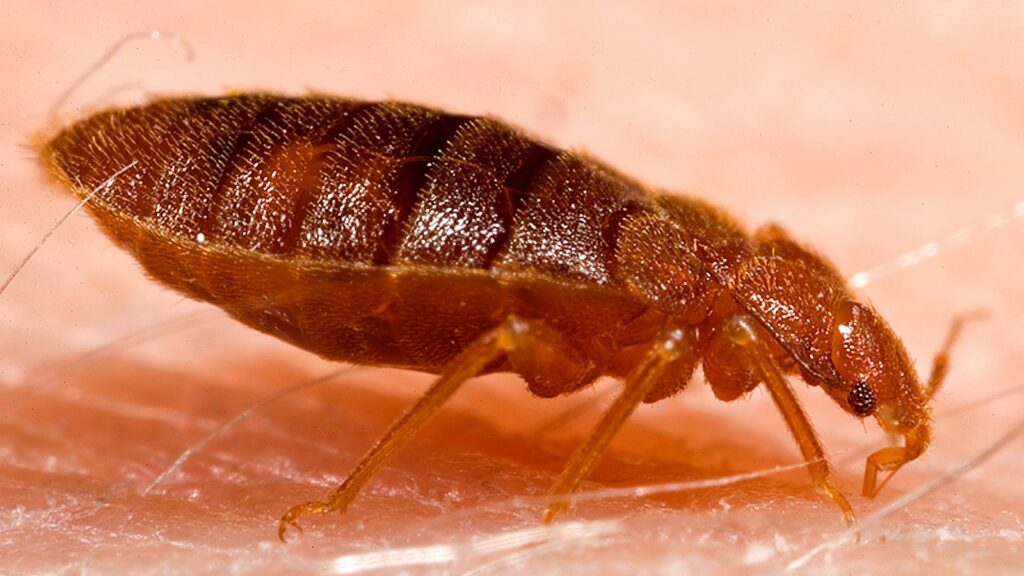
What we’re actually dealing with is Cimex lectularius — the common bed bug — a flat reddish-brown insect about the size of an apple seed when adult, smaller and lighter when young. It feeds on blood, almost always at night, almost always on a sleeping person. It does not transmit disease. The health cost is the bites themselves (itchy welts that often appear in lines or clusters), secondary infections from scratching, and — usually the worst part for the people living with them — the anxiety and sleep loss that come with knowing something is feeding on you in the dark. Bed bugs do not jump and do not fly. They walk, slowly, and they hitchhike. That is the whole biology of how they move from a Mizner Park hotel room to a guest bedroom in Royal Palm Yacht & Country Club, or from a sublet near FAU to a parent’s house in Boca West.
Hoffer Pest Solutions has worked Boca Raton homes, condos, and hospitality properties for more than 50 years, and bed bug calls are some of the hardest calls homeowners ever make — there is a stigma attached, even though it has no relationship to housekeeping or income or anything else a person might be embarrassed about. We treat these jobs the way they deserve to be treated: confidentially, professionally, in unmarked-uniform service when requested, and without judgment. The technician on your doorstep is there to confirm what is and isn’t a bed bug, identify how the infestation reached the property, and walk you through a treatment plan that ends it. Call 954-892-5742 to schedule a free Boca Raton bed bug inspection — same-day appointments are available in most cases.
Our Boca Raton Bed Bug Treatment Approach
Inspection: Confirming What We're Looking At
The first step is always confirmation, because a lot of things bite a person in their sleep in South Florida, and not all of them are bed bugs. On the inspection visit, the technician works the bedroom in a deliberate order: mattress seams and piping first (the number-one hiding place — we lift, we fold back, we look under the tags), then the box spring (dust cover removed, staple lines and wood frame examined), then the headboard (especially upholstered headboards and any hollow-construction wood headboard, where bed bugs hide inside the assembly itself, not just behind it). From there it moves out: the bed frame’s joints and screw holes, the nightstand drawers and undersides, baseboards along the bed wall, the back of picture frames near the bed, electrical outlet plates, the seams of curtains within a few feet of where someone sleeps. If the bedroom is positive, we widen the inspection — adjacent rooms, sofas and recliners where people nap, luggage stored in closets or under beds, any soft-good that’s traveled recently. The diagnostic markers we’re looking for are live bugs, dark fecal staining (small black-brown dots that smear when rubbed with a damp cotton swab), shed translucent nymph skins, and clusters of tiny pale eggs in cracks. Bite patterns on a person are suggestive, never diagnostic — roughly thirty percent of people do not react visibly to bed bug bites at all, so we never rely on skin reactions to confirm or rule out an infestation.
Treatment: Matched to the Scope of the Infestation
Bed bug treatment is not one product applied one time. Once an infestation is confirmed, the treatment is built around the scope — how many rooms are affected, what kind of building it’s in (single-family, condo, oceanfront high-rise, country-club home), whether the unit shares walls and plumbing chases with neighboring units, and whether the homeowner has heat-sensitive items that limit which methods can be used. For a focused infestation caught early in one bedroom, a targeted chemical program reaches every harborage we identified during the inspection: mattress seams and box spring framing, headboard and bed-frame joints, baseboard cracks, outlet plates, the back edges of any furniture within ten feet of the bed. We pair that with desiccant dust (silica gel or a similar product) applied to wall voids and electrical penetrations, where chemical sprays don’t reach. For wider infestations, infestations in older condo buildings with shared chases, or any home where the homeowner needs the problem ended as quickly as possible, additional methods — including whole-room heat treatment where appropriate — may be part of the plan. The exact mix is set after the inspection, not before; an honest answer about what your home needs is what the first visit is for.
Preparation: What the Homeowner Needs To Do First
Bed bug treatment works far better when the home is prepared for it. We send a preparation checklist before the first treatment visit, but the core items are consistent. All bedding, sheets, pillowcases, mattress covers, and any clothing or fabric that’s been in contact with the bed or in piles on the bedroom floor needs to be laundered on the hottest cycle the fabric tolerates and run through a hot dryer cycle for at least thirty minutes — heat kills every life stage of bed bugs, including the eggs that survive almost everything else. Items that can’t be laundered (delicate fabrics, leather, books, electronics) can be bagged in sealed plastic and treated separately. Clutter on and around the bed needs to clear out — piles of clothing, stacks of books, cardboard boxes — because every additional hiding place is a place we need to find and reach. Vacuum the bedroom floor, mattress surface, and box spring, then empty the vacuum into a sealed bag and dispose of it outside. None of this glamorous, and the homeowner ends up doing a real amount of work the day before we arrive. It changes the outcome. A prepared home gets cleared faster, with fewer follow-up visits.
Follow-Up: Why One Visit Isn't Enough
Bed bug elimination is almost never a single-visit job, and any company that promises it in one trip is selling something we wouldn’t sell. The reason is the lifecycle. A female bed bug lays one to five eggs a day, glued into cracks and crevices, and those eggs are physically protected from many of the products that kill nymphs and adults. Eggs hatch on a five-to-ten-day window, releasing a new generation of nymphs that have to be reached before they reproduce. So the standard schedule is: initial treatment, a follow-up visit roughly two weeks later (to catch the new nymphs hatched from eggs that survived the first round), and a second follow-up at the four-to-six week mark to verify clearance and address anything that’s persisted. Some properties — heavier infestations, multi-room spread, condo units with neighboring activity — need a third follow-up. We don’t close out a bed bug job until two consecutive follow-up visits show zero live activity and zero new fecal evidence. The schedule is built into the program; the homeowner doesn’t have to chase it.
Signs You Have Bed Bugs in Your Boca Raton Home
Bed bugs leave a specific set of signs. If you suspect them, this is what to actually look for:
- Live bed bugs — flat reddish-brown adults about the size of an apple seed, or smaller translucent-to-pale nymphs. Found in mattress seams, box spring framing, headboards, bed-frame joints, and along baseboards next to the bed.
- Bites in lines or clusters on exposed skin — typically arms, shoulders, neck, ankles, or back. The “breakfast, lunch, dinner” pattern (three bites in a short line) is classic but not universal. Bites can take one to three days to appear, and about a third of people don’t react visibly at all. Bites alone are never enough to confirm bed bugs.
- Blood spots on sheets, pillowcases, or the mattress — small reddish-rust stains, usually from bed bugs being crushed after a feeding or from a bite site bleeding lightly into the bedding.
- Fecal staining — small dark brown or black dots, roughly the size of a felt-tip pen mark, clustered along mattress seams, on the box spring’s fabric and wood, on the headboard, and along baseboards. A damp cotton swab dragged across the spot will smear it (digested blood). This is one of the most reliable diagnostic signs.
- Shed skins — translucent, hollow nymph casings left behind every time a bed bug molts. A bed bug goes through five molts on its way to adulthood, so an active infestation produces a lot of these. Found in the same locations as live bugs and fecal evidence.
- Clusters of tiny pale eggs — about one millimeter long, white to translucent, glued into cracks (mattress tufts, headboard seams, bed-frame screw holes). Hard to see without a flashlight at the right angle.
- A sweet, musty odor — only in heavier infestations. Some people describe it as faintly like overripe raspberries or coriander; most people don’t pick it up until the population is significant.
Where Bed Bugs Come From in Boca Raton
Travel and Hospitality
The single most common way bed bugs enter a Boca Raton home is in a returning traveler’s luggage. The Boca Raton Resort & Club, the downtown hotels along Federal Highway, the boutique properties around Mizner Park, the oceanfront rental units along A1A, and any of the chain hotels along Glades Road or near I-95 all run guests through every day — guests who arrived from elsewhere with their own luggage, used the rooms, and left. A bed bug picks up on a duffel bag, a soft-side suitcase, or even a folded jacket draped over a luggage rack, rides the trip home, and walks off in a guest bedroom or master bedroom days later. The same dynamic applies in reverse — Boca families traveling out of Palm Beach International or Fort Lauderdale International to other cities can carry bed bugs back from a hotel anywhere in the country. The fix isn’t to stop traveling; it’s to inspect luggage before bringing it inside, store suitcases off the bedroom floor, and run any clothing from the trip directly through a hot dryer.
Snowbird Turnover and Seasonal Condo Rentals
The snowbird cycle is a major piece of Boca’s bed bug picture. Country-club homes in Boca West, Boca Pointe, Mizner Country Club, and Stonebridge — along with oceanfront condos from Palmetto Park north — sit empty across the warm months and fill back up between November and April. Many of those units are owner-occupied, but a meaningful share are seasonal rentals or get used by extended family and friends arriving from cities where bed bug pressure is heavier than it is in Florida. Each new guest is a new introduction risk. The bed bug doesn’t have to be in the unit when the owner returns — it can arrive in the first weekend guest’s suitcase and establish quietly before anyone notices a bite. The owner usually finds it after one or two months of sleep and writes it off as mosquito bites until the fecal staining on the box spring tells the real story.
FAU, Lynn, and Student Housing
West Boca’s student housing footprint is real. FAU enrolls roughly thirty thousand students, with on-campus residence halls, off-campus apartment complexes along Glades Road and the surrounding corridor, and an active sublet market. Lynn University adds another residential population a few miles north. Students cycle through dorms, apartments, parents’ homes, study-abroad housing, and friends’ couches across two move-in/move-out periods every year. A futon brought from an apartment near campus to a parent’s house in Boca West, a duffel bag of laundry packed for spring break and unpacked at home, a roommate’s pillow tossed into a shared car — these are how college-aged bed bug exposures move into family homes. The student isn’t responsible, and neither is the parent; the moves themselves are the vector. Hoffer treats student-housing-linked introductions the same way we treat any other bed bug call — by confirming the source, treating the bedroom thoroughly, and following up on the schedule that breaks the lifecycle.
Condo Unit-to-Unit Migration
Condos add a structural complication that single-family homes don’t have. Older Boca condo buildings — the oceanfront mid-rises along A1A, the inland mid- and low-rise garden-style buildings around Federal Highway and Boca Pointe, the high-rises downtown — were built with shared plumbing chases, shared electrical conduits, and wall assemblies that run continuously between units. Bed bugs move along those paths. A unit with an active infestation can seed the unit next door, the unit above, and the unit below through wall voids, around plumbing penetrations, and along baseboards in adjoining rooms. This is why a single condo-unit treatment, done in isolation, can fail — the bugs return from the neighbor’s unit weeks later. When we treat a Boca condo for bed bugs, we ask the homeowner (or property manager, with the homeowner’s permission) about activity in adjoining units, and we recommend coordinated inspection and treatment of the surrounding units when the evidence supports it. That conversation is often awkward; doing the work without it almost guarantees the problem comes back.
Beyond residential work, Hoffer handles commercial bed bug accounts in Boca — hotel inventory, resort properties, short-term rental management companies, condo associations, and HOA-managed residential communities. The expectations on this side of the business are different. Hospitality clients need discretion above almost everything else: unmarked vehicles where requested, scheduled service outside peak guest windows, written documentation for ownership and risk-management files, and the ability to clear a room and return it to inventory on a predictable timeline. We work with mattress and box-spring encasement programs for hotel and resort inventory (encasements seal bed bugs in or out and make ongoing inspection significantly faster), and we coordinate room-by-room treatment cycles for properties that want a proactive monitoring program rather than waiting for guest complaints. For condo associations and HOAs dealing with unit-to-unit spread, the same coordinated-treatment logic from the residential section applies on a larger scale — we’ll work with property management to get the right units inspected and treated together.
Hoffer Pest Solutions: Boca Raton Bed Bug Specialists
Hoffer is a family-owned South Florida pest company in our second half-century of work, and bed bugs are one of the categories where decades of field experience translate most directly into a faster, cleaner outcome for the homeowner. The technician who arrives at your door has inspected and treated rooms across every kind of Boca property — Mizner-era cottages in Old Floresta, oceanfront condos along A1A, country-club homes in Boca West and Mizner Country Club, FAU-corridor apartments near Glades Road, and hotel and resort inventory across the city — and they know which signs are real, which look-alikes aren’t bed bugs, and which infestations need a wider footprint than the room you called about. Every job is treated discreetly. Every job is backed by our satisfaction guarantee and a follow-up schedule built to break the lifecycle, not just push it sideways. The conversation about how the bed bugs got there can wait until after they’re gone — what matters in the first call is getting an inspector to the property and getting a clear plan in your hand. Call 954-892-5742 — same-day inspections are available in most cases.
Bed bug treatment is one piece of a broader Boca Raton pest control plan; for ants, rodents, termites, mosquitoes, cockroaches, and ongoing residential protection, start at the Boca Raton pest control hub or call the number above. For Hoffer’s full bed bug treatment coverage across South Florida, see our general bed bug treatment page.
Frequently Asked Questions: Boca Raton Bed Bug Control
Do bed bugs in Boca Raton come from hotels?
Hotels are the single biggest source, but not because hotels are dirty — bed bugs travel in luggage, and any property that cycles thousands of guests a year is going to see occasional introductions no matter how good the housekeeping is. The Boca Raton Resort & Club, the downtown hotels around Mizner Park, oceanfront rentals along A1A, and any of the I-95-corridor hotels along Glades Road are all possible sources for a returning traveler. The other major sources we see are seasonal condo rentals (guests arriving from northern cities where bed bug pressure is heavier), and college moves tied to FAU and Lynn. The fix isn’t to avoid hotels — it’s to inspect luggage on arrival home, store suitcases away from the bedroom, and run trip clothing through a hot dryer cycle before putting it away.
How do I know if I have bed bugs or something else biting me at night?
Bite patterns alone aren’t enough. Bed bug bites often appear in lines or small clusters on exposed skin, but mosquitoes, fleas, no-see-ums, and even allergic reactions to laundry or fabric can all produce similar-looking welts — and roughly thirty percent of people don’t react visibly to bed bug bites at all. The reliable way to confirm bed bugs is physical evidence on the bed itself: live bugs in mattress seams or behind the headboard, dark fecal staining on the box spring, shed translucent skins, or clusters of tiny eggs in cracks. An inspection takes about thirty to forty-five minutes for a single bedroom and gives you a definitive answer. If you’ve been waking up with new bites for more than a few nights, call us and we’ll come look.
Can bed bugs spread between condo units in Boca Raton?
Yes — and this is one of the reasons treating a single condo unit in isolation often fails. Boca’s older condo buildings (oceanfront mid-rises along A1A, inland garden-style condos around Federal Highway, downtown high-rises) share plumbing chases, electrical conduits, and continuous wall assemblies between units. Bed bugs move along those paths into adjoining units — next door, above, and below. When we treat a condo for bed bugs, we ask about activity in surrounding units and recommend coordinated inspection and treatment when the evidence calls for it. That conversation is often awkward to start with a neighbor or property manager, but skipping it is usually how a treated unit gets reinfested two months later.
How long does bed bug treatment take in a Boca Raton home?
A typical bed bug program runs about six to eight weeks from first treatment to final clearance, broken into an initial treatment plus follow-up visits roughly two weeks and four-to-six weeks later. The reason isn’t slow chemistry — it’s the lifecycle. Bed bug eggs are physically protected from many of the products that kill adults and nymphs, and they hatch on a five-to-ten-day window, so the follow-up visits are timed to catch each new generation before it can reproduce. Heavier infestations or condo units with neighboring activity may need an additional follow-up. We don’t close out a job until two consecutive follow-up visits show zero live activity and zero new evidence.
Is Hoffer's bed bug treatment safe for kids and pets in our Boca Raton home?
Yes. The products we use on bed bug jobs are EPA-registered for indoor residential use, applied by licensed technicians, and placed in targeted locations — mattress seams, box-spring framing, baseboard cracks, outlet plates, wall voids — rather than broadcast across surfaces kids and pets actually contact. Anywhere a chemical is applied, we set proper dry and re-entry times before the room goes back into normal use, and we walk you through which items (linens, pillows) need to come off the bed during treatment and which can go back on immediately after. Bed bug treatment is one of the more carefully placed services we do precisely because it’s done in bedrooms, where the family spends a third of their lives.